TOWARD A FUTURE
POWERED BY THE SUN

Environmentally friendly TNT production

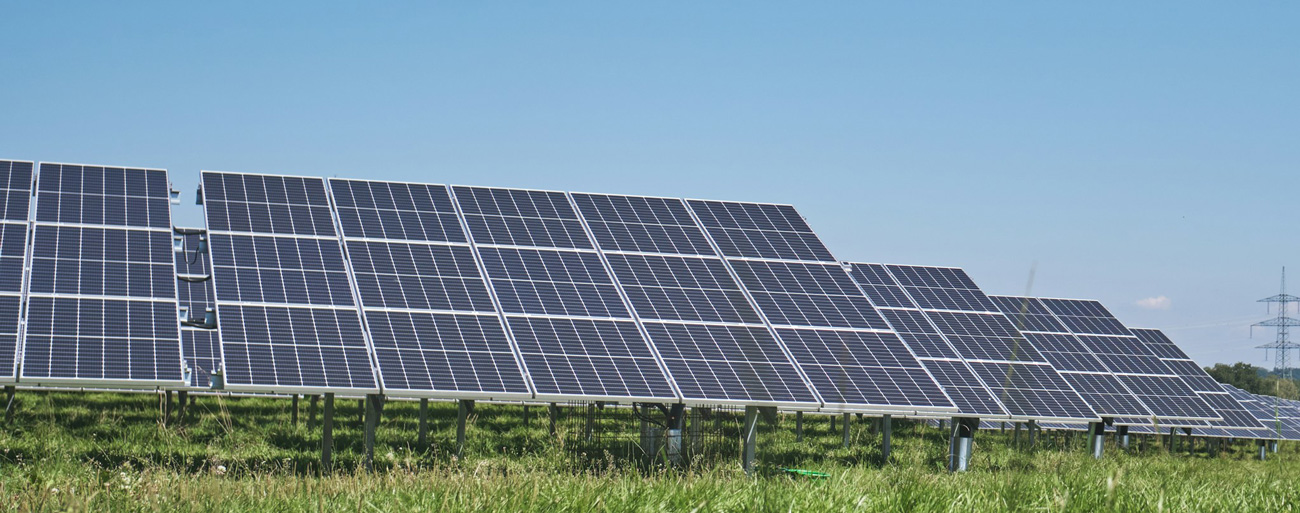
Our commitment to environmentally friendly TNT production is embodied in measurable choices: a 110 kW photovoltaic system that cuts 30 tons of CO2 each year, equivalent to 1,500 trees planted, and makes us 80% energy self-sufficient.


At EFFE 4 we believe that success is measured not only in terms of economic growth, but also through respect for the environment we live in.
Therefore, we are proud to announce the installation of our new 110 kW photovoltaic system.
Switching to solar energy is not just a technology upgrade for us, but a key pillar of our corporate sustainability strategy. With this investment, we are able to produce clean energy ourselves, drastically reducing our dependence on fossil fuels.
The figures behind our commitment
To make our impact tangible, we calculated the estimated annual environmental benefits of our new system:
0t
CO2 Reduction
We will avoid the release of around 30 tonnes of carbon dioxide into the atmosphere each year.
0
Equivalent Trees
Our contribution to clean air is equivalent to the planting of around 1,500 new trees.
0%
Energy Autonomy
We will cover around 80% of our total energy needs with self-generated, locally sourced energy.
This is just the beginning
This facility represents a decisive step in our journey toward an increasingly circular and responsible business model. We will continue to invest in technologies and processes that allow us to operate in harmony with nature, ensuring quality for our customers and a better future for new generations.
FAQ
What does environmentally friendly TNT production mean for EFFE 4?
For us, it means tangibly reducing the ecological footprint of our production process by choosing renewable energy sources, optimizing consumption and investing in technologies that allow nonwoven fabric to be processed more responsibly, without compromising the quality and reliability of the final product.
What environmental benefits does the new 110 kW photovoltaic system generate?
This system allows us to avoid the release of around 30 tonnes of CO2 into the atmosphere each year, a benefit comparable to planting 1,500 new trees. At the same time, we are able to cover around 80% of our energy needs with self-generated, locally sourced energy.
Why did you choose photovoltaics for your sustainability strategy?
Today, photovoltaics is one of the most effective solutions to combine energy autonomy and emission reduction. It allows us to produce clean energy directly from our facility, cut down our dependence on fossil fuels and make our production process more stable from a cost perspective as well.
Does renewable energy affect the quality of the nonwoven fabric produced?
No, the quality of our TNT is unaltered: production standards, controls and processes remain the same. It changes the source of the energy that powers the plant, not the way we make the product. For our customers, it means the same quality as always, with added environmental value.
What other steps is EFFE 4 taking toward a more sustainable model?
The photovoltaic system is the first part of a larger journey. We are working to integrate additional energy efficiency solutions, optimize consumption in our plants, and evaluate new technologies to make our nonwoven fabric production increasingly circular and environmentally friendly.
What changes for customers who choose EFFE 4?
Choosing EFFE 4 means relying on a partner that integrates sustainability into its production processes. For customers, especially those who need to meet ESG criteria or green supply chain requirements, this means a supply that is consistent with their environmental goals and traceable in terms of impact.